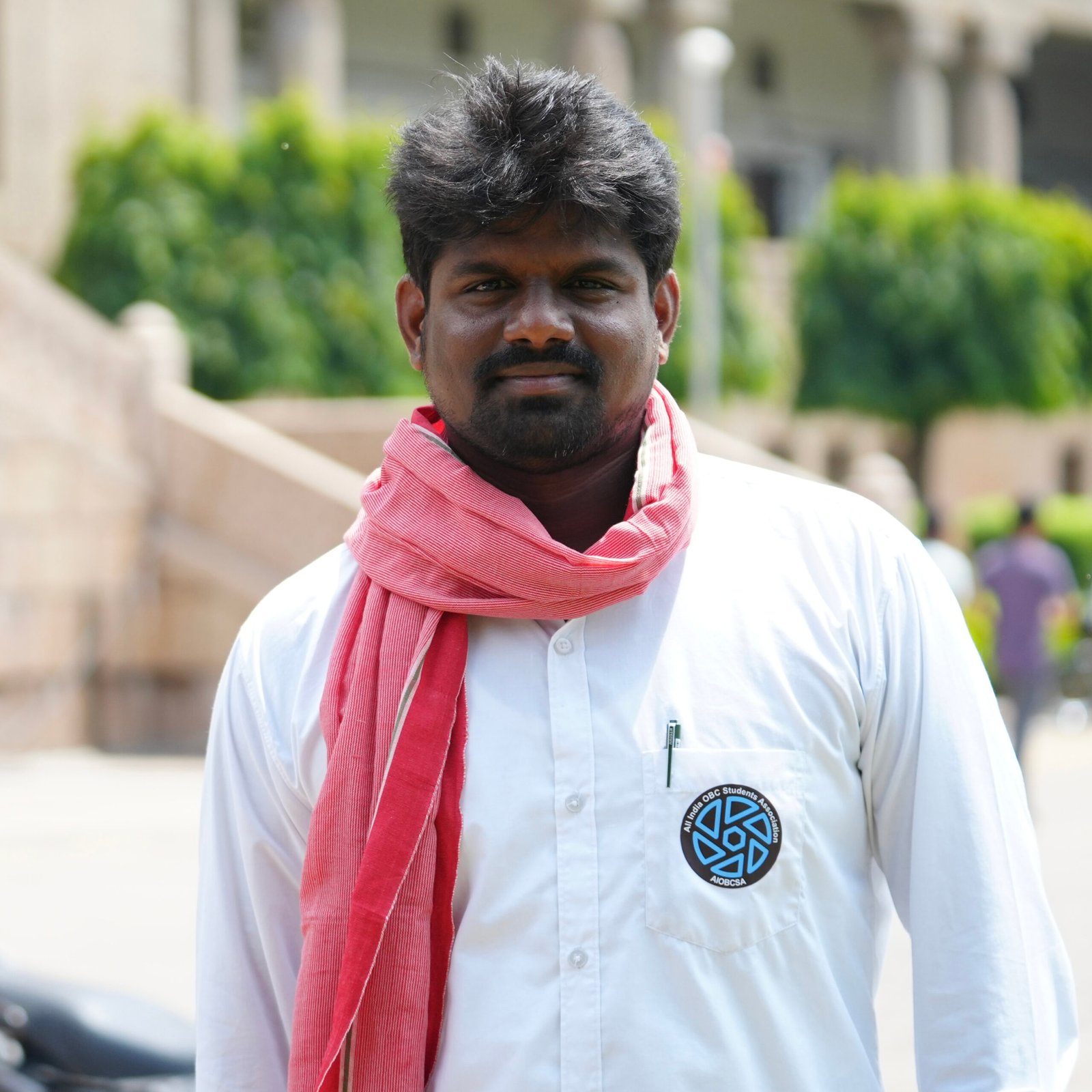
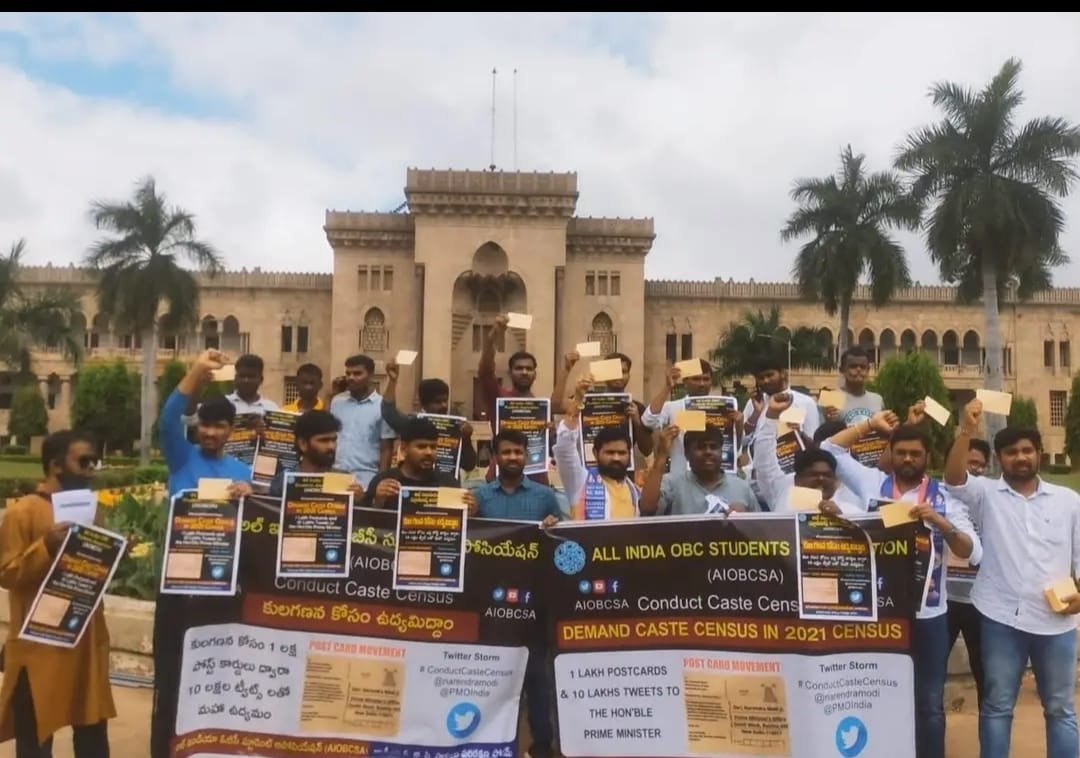
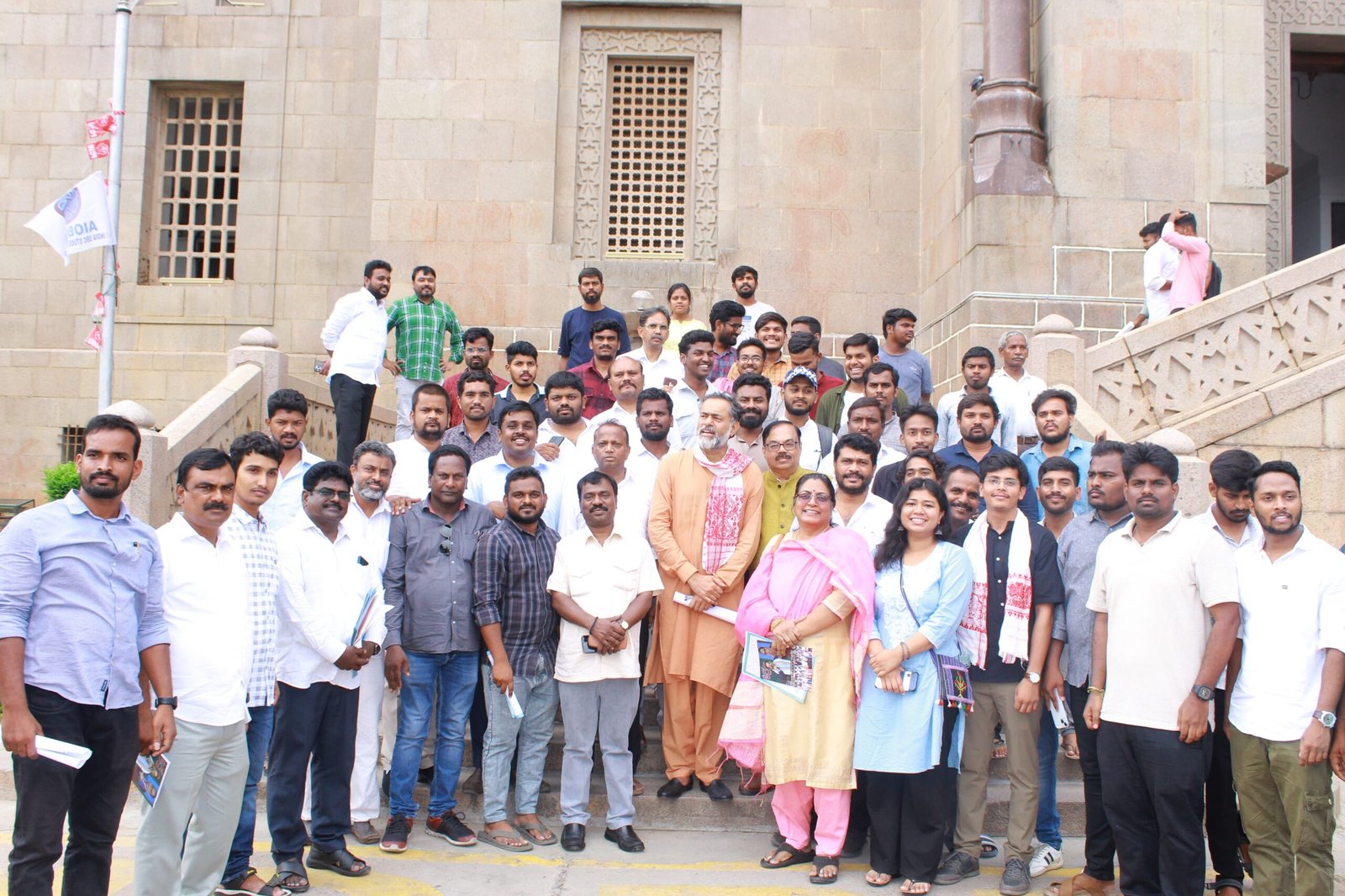
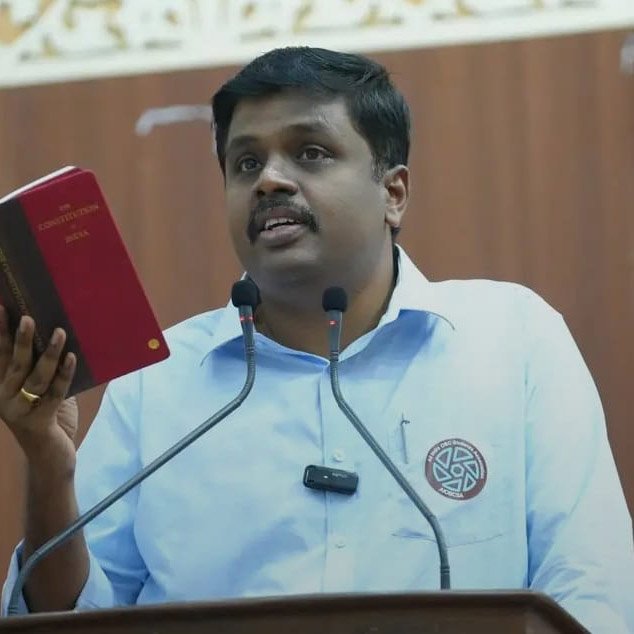


The All India OBC Students Association (AIOBCSA) is a dynamic, student-led national platform dedicated to the rights, dignity, and empowerment of Other Backward Classes (OBCs). Officially registered as a society in 2021, AIOBCSA represents a growing collective of scholars, activists, and students committed to creating an India where social justice and equitable representation are not just ideals but realities.
Our association serves as a voice for millions of OBC youth facing systemic exclusion in education, employment, and public life. We work relentlessly to amplify their concerns, influence public policy, and shape a future where constitutional values are upheld for all.
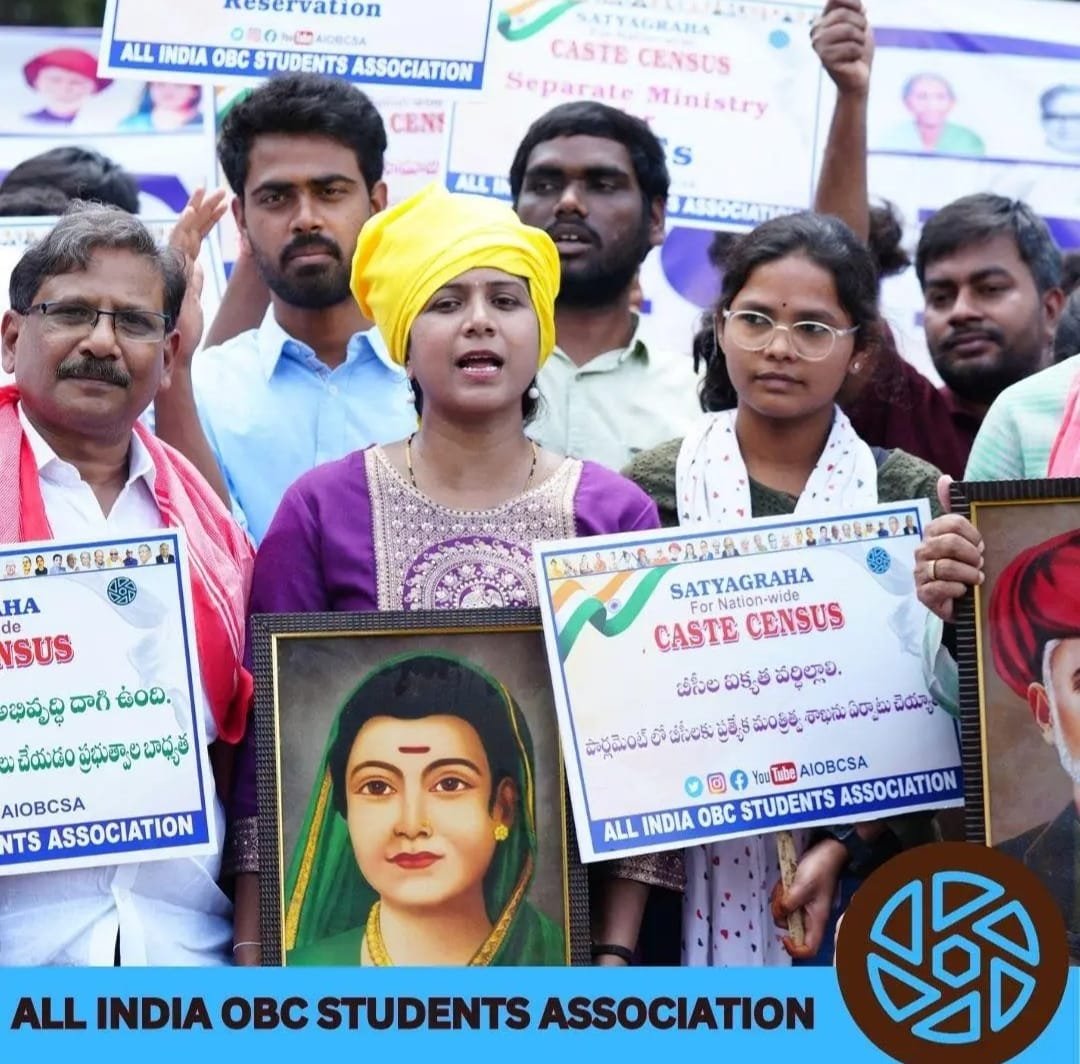
AIOBCSA was born out of the ground-level realities of caste-based exclusion, systemic denial, and underrepresentation faced by OBC students across premier institutions. Sparked by mobilizations like the Rohith Vemula movement and the push for caste census and equitable fellowships, the association has evolved into a nationwide body engaging with grassroots as well as policy-level advocacy.
Our journey began with discussions in university campuses and social movements, eventually formalizing into a platform that could legally, democratically, and structurally challenge OBC injustice and push for transformative change.
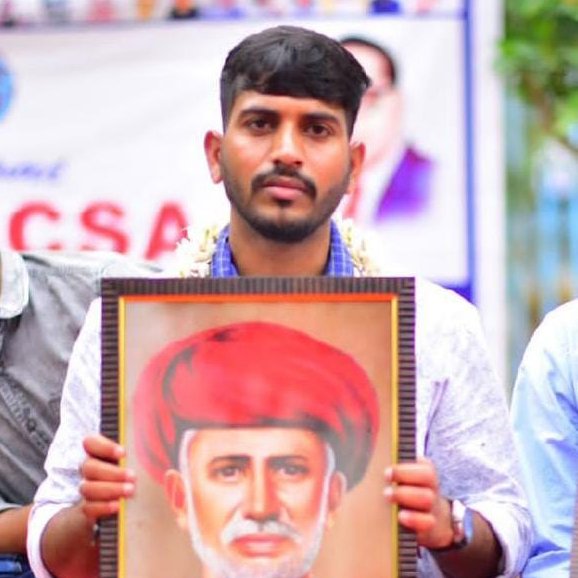
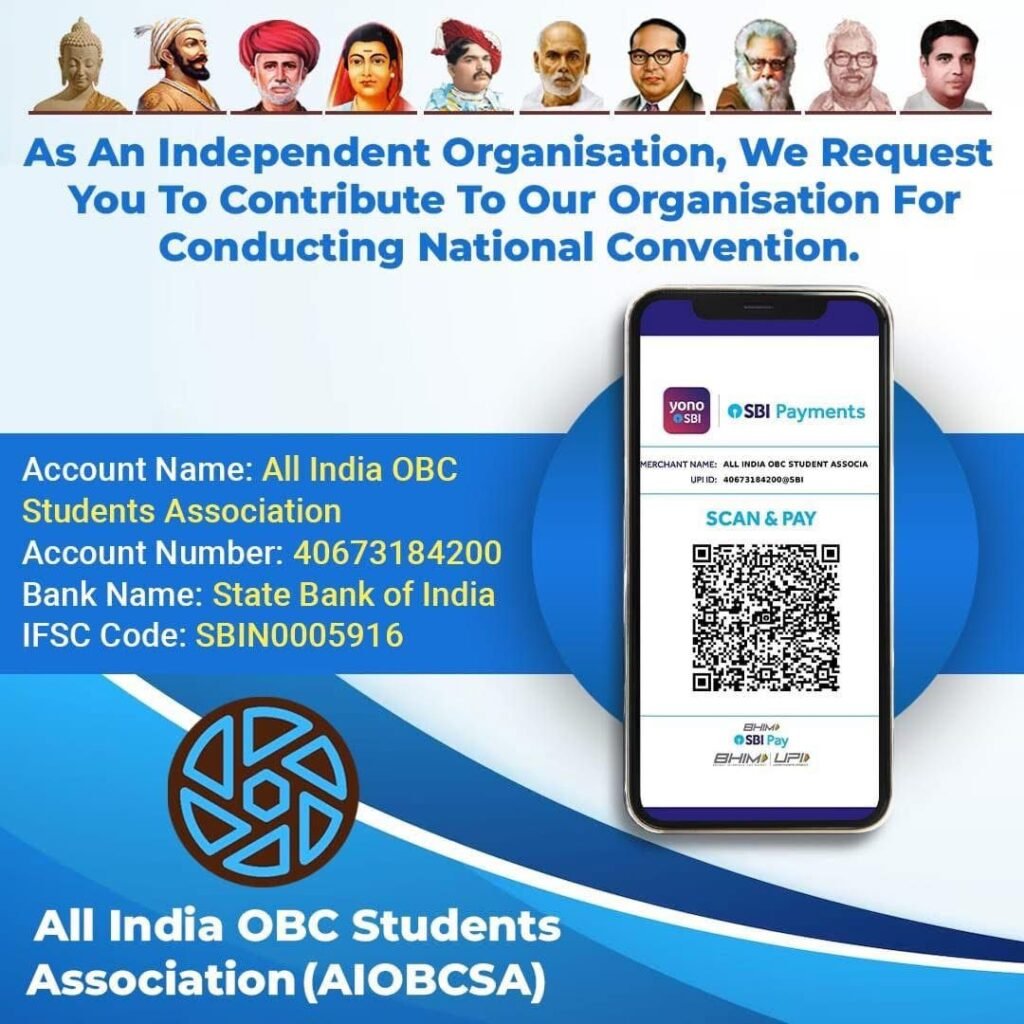
At AIOBCSA, our culture is deeply rooted in the ideals of equality, self-respect, and collective empowerment. We draw inspiration from the transformative legacies of Jyotirao Phule, Dr. B.R. Ambedkar, Periyar, and Kanshi Ram, who envisioned an India free from caste discrimination and social exclusion.
We are not just an association—we are a movement that believes in building an inclusive future through awareness, unity, and action.
Ambedkarite Principles: Equality, liberty, fraternity
Phule’s Legacy: Education as a right, not a privilege
Grassroots Leadership: Every student a leader, every campus a center of change
Non-violence & Constitutionalism: Our path is legal, democratic, and transformative
To build a just, inclusive, and egalitarian society where OBCs have equitable access to all spheres of public life—education, employment, governance, and beyond.
To defend and expand constitutional and democratic rights of OBC communities.
To educate, organize, and mobilize OBC students for collective action and representation.
To pursue policy reform, legal interventions, and public advocacy for proportional representation and inclusive development.
AIOBCSA is built on the principles of decentralization, inclusivity, and democratic participation. Our structure is designed to ensure that every voice—from grassroots campuses to national leadership—is heard and empowered. The association functions through various interlinked but autonomous bodies that work together to uphold our shared vision.
The National Executive Committee (NEC) is the central decision-making body of AIOBCSA. It provides overall leadership, strategic direction, and coordination for national-level campaigns and policies.
Responsibilities include:
Formulating national action plans and resolutions
Representing AIOBCSA in media, government, and public forums
Monitoring and guiding state-level activities
Coordinating legal and policy interventions
Each state has an independent State Chapter that reflects the unique socio-political realities of that region. These chapters operate autonomously while aligning with the national objectives of AIOBCSA.
Their roles include:
Organizing state-level campaigns and protests
Engaging with local governments and state commissions
Building networks with regional educational institutions and civil society
Coordinating with the NEC for national mobilizations
University and college campuses are the heartbeat of AIOBCSA. Each campus has its own unit that functions as a democratic body of student members.
Activities include:
Membership drives and awareness programs
Organizing lectures, debates, and cultural events
Providing support for OBC students on campus
Identifying local grievances and reporting to higher levels
These specialized cells focus on knowledge production and policy engagement. They are composed of scholars, students, and researchers committed to data-driven advocacy.
Functions include:
Drafting policy proposals and memorandums
Conducting surveys, research studies, and RTIs
Collaborating with academic institutions and think tanks
Tracking government schemes and evaluating their implementation
To ensure justice and protection for OBC students facing discrimination or denial of rights, AIOBCSA operates a dedicated legal and grievance mechanism.
Key roles include:
Providing legal aid and counseling to affected students
Filing RTIs, PILs, and legal representations when needed
Creating awareness about constitutional and legal rights
Liaising with institutions to resolve issues through dialogue or legal recourse
Regular inter-tier meetings, digital communication channels, and annual general body gatherings ensure seamless coordination between national, state, and campus levels. Decision-making is bottom-up, and accountability is maintained through transparent processes.